Top Reasons to Add a Bar NYC Visit to Your Itinerary
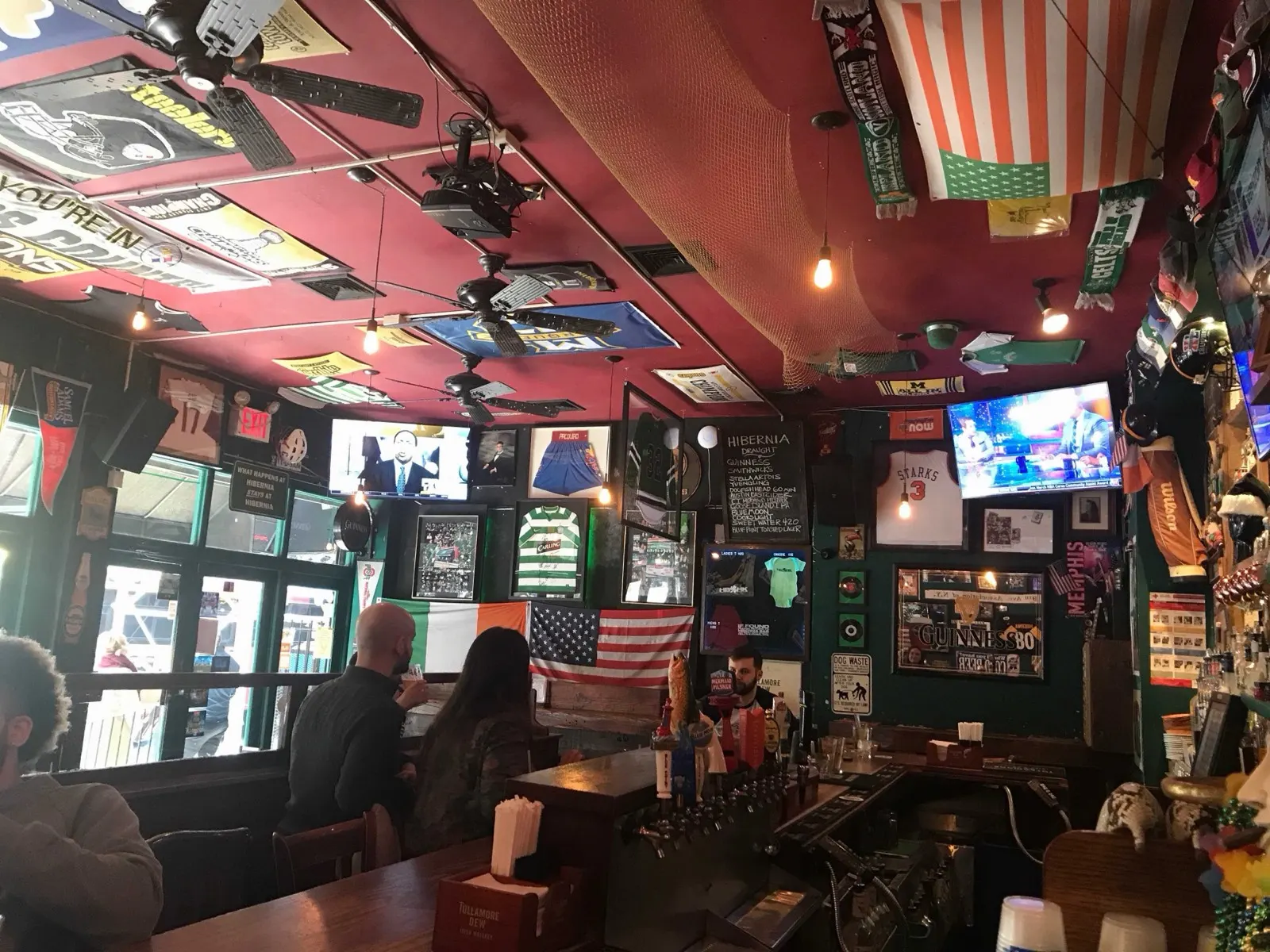
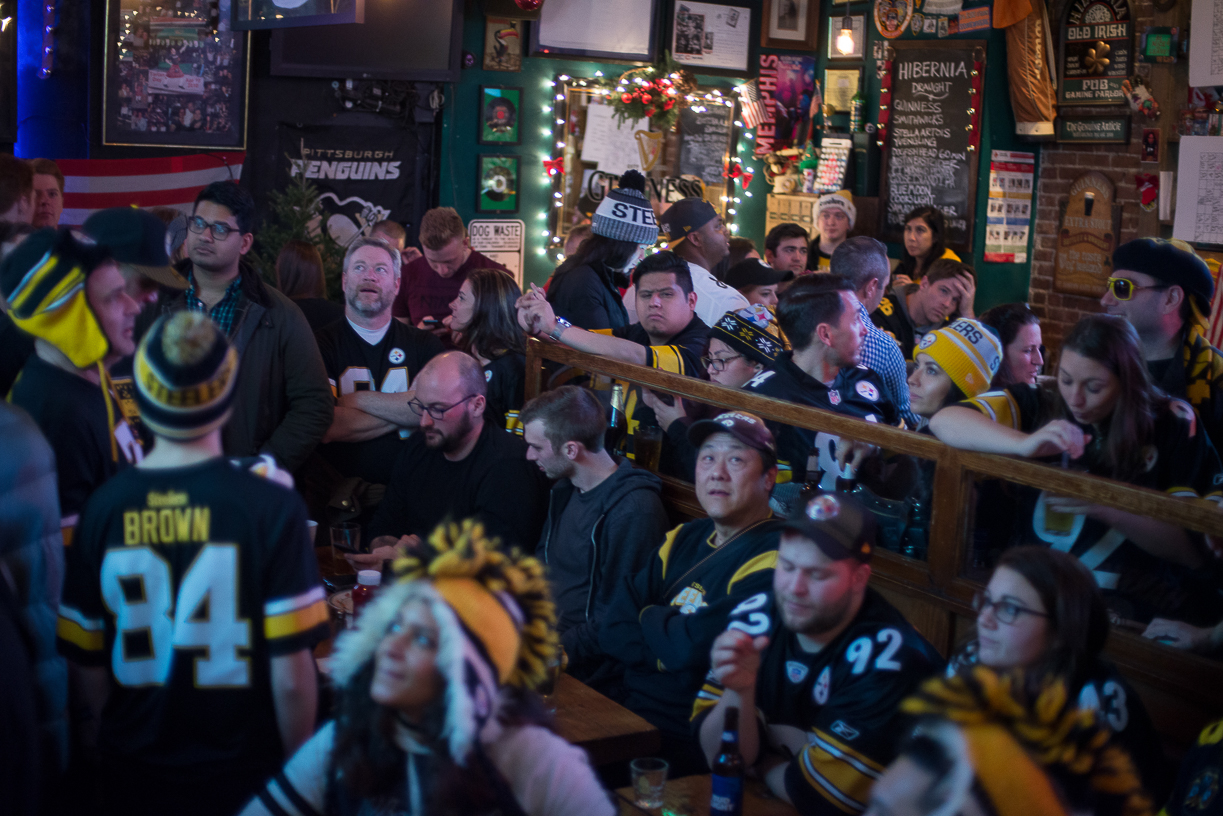
New York rewards people who leave space in their plans. The city has its icons, its museum circuits, its Broadway schedules, its impossible density of restaurants, but some of the strongest travel memories are made in places that sit between the marquee attractions. A well-chosen night out at a Bar NYC spot can shift your understanding of the city more than another rushed stop at a landmark. You see how neighborhoods change after dark, how people talk when they are off the clock, how hospitality works in a place that serves locals and visitors at the same time.
That is the real case for adding a bar visit to your itinerary. It is not only about drinking. It is about access, atmosphere, and perspective. In New York, bars often function as neighborhood living rooms, design showcases, culinary labs, music venues, and social observatories. They can be polished or scruffy, expensive or surprisingly fair, historic or barely a year old. What they share is a particular kind of energy that the city does better than almost anywhere else.
If you are planning a trip and trying to decide whether a Bar NYC experience deserves precious evening hours, the answer is usually yes, provided you choose with some intention. The best reasons go well beyond having a cocktail.
A bar visit lets you experience New York at its most alive
Many travelers build their days carefully and treat evenings as an afterthought. In New York, that can be a mistake. The city changes character after sunset. Office districts empty out, then refill with dinner crowds. Residential neighborhoods loosen up. Hotel lobbies become social spaces. Restaurants spill into bars, and bars spill onto sidewalks. Light, noise, and movement create a completely different rhythm from what you see at 10 a.m.
A good bar is one of the easiest ways to step into that rhythm without overcommitting. You do not need tickets, a full tasting menu, or a carefully coordinated group plan. You just need an hour, maybe two. Sit down, order something thoughtful, and suddenly you are part of the evening ecosystem. That is especially valuable in a city where much of the best atmosphere is subtle. It lives in timing, crowd mix, music volume, lighting, and the choreography between staff and guests.
I have always found that travelers who skip bars often describe New York in daytime terms only. They talk about queues, street grids, and landmarks. The ones who take time for an evening drink remember the city in textures. They remember the low amber light in a downtown room, the Bar NYC jazz drifting from the back corner, the bartender who steered them toward a lesser-known rye, the couple beside them debating whether to move to Brooklyn. Those details make a place feel inhabited rather than merely visited.
The range is extraordinary, and that matters more than people expect
One reason Bar NYC should be on your list is simple breadth. Few cities offer such a wide spectrum of bar experiences packed into a relatively accessible footprint. You can move from a century-old tavern to a sleek rooftop to a Japanese-inspired cocktail counter to a tiny natural wine bar in the span of a single evening, assuming you have the stamina and the patience for cabs or trains.
That variety matters because travelers are rarely looking for the same night. Some want a celebratory room with skyline views and sharp service. Others want a neighborhood place where they can hear themselves think and maybe order oysters with a martini. Some are after serious mixology, where every drink is measured with quiet precision. Others want a pint in a wood-paneled room where the floor has seen decades of hard use.
New York accommodates all of that, often at a very high level. Even the trade-offs are part of the appeal. The glamorous rooftop may charge more and feel less intimate, but it gives you scale and spectacle. The tiny Lower East Side wine bar may be crowded and noisy, but it offers personality and conversation. The classic Midtown hotel bar may lean corporate at happy hour, yet still be the perfect reset after a day of walking. The point is not that one format is objectively better. The point is that the city gives you options precise enough to match your mood, budget, and travel style.
It is one of the best ways to understand neighborhoods quickly
New York is really a collection of neighborhoods that happen to share a name. Visitors know this in theory, but they often underestimate how different those areas feel from one another. A bar helps you read a neighborhood fast because it condenses local habits. What people order, when they arrive, how long they linger, whether the room is dressed up or casual, whether the soundtrack is soul, house, classic rock, or near silence, all of that tells you where you are.
Spend an hour in the West Village and you may find places where history and polish are tightly intertwined. Head into the Lower East Side and you will likely encounter a younger, louder, more kinetic scene, though there are still pockets of refinement. In Brooklyn neighborhoods like Williamsburg or Fort Greene, bars often reflect a strong local identity, with thoughtful beverage programs that can feel less formal than Manhattan equivalents. Uptown, the mood shifts again, whether you are in Harlem, the Upper West Side, or further north.
This kind of neighborhood fluency is hard to develop by walking alone. Streets can be deceiving. Storefronts turn over. Restaurants are busy and often too structured for casual observation. A bar gives you a fixed point. You are there long enough to absorb the room but not locked into a multi-hour event. It is one of the smartest ways to sample the city’s many local cultures without pretending that New York can be reduced to a single, tidy identity.
Bars in New York often deliver serious food, not just drinks
One outdated assumption is that bars exist apart from the city’s food culture. In New York, that distinction rarely holds. Many bars now serve food that goes far beyond an obligatory bowl of nuts or a forgettable burger. Some are attached to acclaimed kitchens. Others specialize in a small number of items done exceptionally well. A bar seat can be one of the best values in the city if you know where to look.
This is especially useful for travelers balancing ambition and budget. A full dinner reservation at a high-profile restaurant may be difficult to secure, expensive, or simply too time-consuming for your schedule. But the bar can offer access to the same culinary standards with greater flexibility. Even where there is a separate bar menu, it is often more interesting than expected. Well-made crudo, excellent charcuterie, serious fried chicken, oysters, seasonal vegetable plates, top-tier fries, and desserts that feel finished rather than perfunctory are all common enough to count on.
There is also something uniquely New York about the bar meal itself. Sitting shoulder to shoulder with strangers, ordering a strong drink and a plate or two, watching the room fill and thin, is a practical pleasure the city does very well. It can become one of the easiest memorable meals of a trip, especially when the alternative is overplanning every dinner weeks in advance.
A skilled bartender can improve your entire trip
People often talk about concierge recommendations and neighborhood guides, but bartenders remain one of the best sources of local intelligence in the city. Good bartenders in New York are not simply pouring drinks. Many are deeply informed about restaurants, late-night options, nearby music venues, and how different areas behave at different hours. They know where travelers waste time, where crowds are worth it, and when a hyped place is all heat and no substance.
That matters because visitors frequently need practical guidance, not generic advice. If you finish a museum day on the Upper East Side and want somewhere relaxed rather than sceney, a bartender can point you in the right direction. If you are headed downtown and want another stop with a quieter room and stronger whiskey selection, they often know exactly where to send you. These exchanges can shape a trip in small but meaningful ways.
There is another benefit too. When service is good, a bar offers a degree of hospitality that can steady the chaos of a dense travel day. New York can exhaust even seasoned visitors. Crowded trains, weather shifts, long walks, and decision fatigue wear people down. A capable bartender notices whether you need pace, explanation, or space. They can guide you toward a spirit you would not have chosen, a lower-alcohol option if you still have a long evening ahead, or a menu item that pairs better than the obvious choice. That judgment is part of the value.
The city’s cocktail culture is genuinely worth your time
Not every traveler cares about craft cocktails, and no one needs to pretend otherwise. Still, New York has earned its reputation as one of the leading cocktail cities in the world. That reputation is not based solely on flashy presentation. At its best, it rests on technical consistency, breadth of spirits knowledge, historical awareness, and an unusually high density of talented professionals.
What makes a Bar NYC experience stand out is that excellence appears in more than one style. Some bars focus on classic drinks made with textbook accuracy, where the joy comes from a truly cold martini or a Manhattan that lands in perfect balance. Others push into modern territory, using house infusions, savory ingredients, clarified juices, and textural experiments. The best places know when restraint is more impressive than novelty.
For travelers, this means your drink can become a legitimate cultural experience rather than a generic nightcap. If you are someone who appreciates hospitality as a craft, a New York bar often gives you front-row access. Watch how a busy service works in a top room. Notice the timing, the calm, the precision, the way staff read guests while maintaining pace. Even if you order only one drink, you get a small lesson in why the city continues to influence beverage programs elsewhere.
It creates room for spontaneity in a city that can feel overscheduled
New York itineraries have a tendency to become rigid. People book observation decks for sunset, reserve every dinner slot, and stack attractions back to back to justify the cost of the trip. That structure can be useful, but it also leaves little room for discovery. A bar visit restores some flexibility.
Say you finish a late lunch in Soho and realize you do not want another major activity before dinner. A quiet aperitif can turn dead time into one of the better hours of the day. Or perhaps a show lets out and you are not ready to go back to the hotel. An unplanned bar stop keeps the evening open without requiring a major commitment. This matters more than it sounds. Travel memories often form in the spaces between planned events.
I have seen this repeatedly with first-time visitors. The attraction they worried most about booking becomes less vivid over time than the impromptu stop they made afterward. Maybe it was a snug East Village place with excellent negronis and impossible-to-forget music. Maybe it was a rooftop where the weather turned and everyone moved inside, shifting the mood of the room in minutes. The best spontaneous moments have texture because they are not trying so hard to be memorable.
It can be a surprisingly efficient luxury
Not every trip allows for splurge dinners, private tours, and premium experiences. New York can get expensive fast, and smart travelers look for places where money buys a lot of atmosphere per hour. This is another strong reason to include a bar in your plans. A single well-made drink in the right room can deliver a concentrated sense of occasion at a lower cost than many other forms of urban entertainment.
That does not mean bars are cheap. Some are decidedly not. Cocktails in sought-after neighborhoods commonly sit in the upper teens to mid-twenties, and rooftop venues can push beyond that. Wine lists vary wildly. Snacks add up. Yet compared with theater tickets, tasting menus, or private experiences, a bar can still function as a manageable indulgence. You are buying ambiance, service, craftsmanship, and often prime real estate, without having to commit an entire evening’s budget.
The key is judgment. If your priority is quality in the glass, you might skip the most photogenic venues and choose a place known for strong bartending. If your priority is skyline views, accept that you are paying partly for the setting. If your priority is comfort after a long day, a classic hotel bar may give you the smoothest experience. New York rewards this kind of self-awareness.
Solo travelers often find bars especially valuable
There are cities Bar NYC where solo bar visits can feel awkward. New York is not usually one of them. The density of the city means people often meet friends in waves, stop in alone before heading elsewhere, or take a seat at the bar because it is simply the most efficient option. That normalizes solitary presence in a way many travelers appreciate.
For solo visitors, this can be liberating. A bar seat removes some of the friction that comes with dining alone at a table. You have staff interaction if you want it, privacy if you do not, and a built-in source of atmosphere. It is one of the easiest ways to feel part of the city without having to engineer social contact.
Of course, not every bar suits solo guests equally. Some loud party environments can feel anonymous in the wrong way. Others, especially very small places during peak times, may prioritize groups if space is tight. But broadly speaking, New York remains one of the best cities in the country for solo bar culture because the pace of local life supports it.
Seasonal changes make bar visits rewarding year-round
One of the nicest aspects of adding bars to your itinerary is that they work in every season, though for different reasons. Summer brings rooftops, spritzes, chilled reds, frozen drinks, and long twilight energy. Fall makes darker spirits and candlelit rooms feel especially right. Winter amplifies the appeal of old-school interiors, hotel bars, fireplaces where you can find them, and the sheer relief of stepping out of the cold into a warm, polished room. Spring, unpredictable as it can be, often offers the best balance, with fewer weather extremes and a city that seems eager to reemerge.
This seasonal flexibility matters for travelers because not every attraction holds up equally in every month. A bar almost always does, if chosen well. Rainy afternoon in February? A classic lounge makes perfect sense. Humid July evening after miles of walking? A breezy rooftop or a crisp basement cocktail bar can save the day. Shoulder-season trip with uncertain plans? Bars fill the gaps elegantly.
The experience can be tailored to your pace
Travelers often assume that a bar visit means a long, late, alcohol-heavy night. It does not have to. One of the practical strengths of fitting a Bar NYC stop into your itinerary is that you can calibrate it precisely. You can go at opening for a calm first round and leave before crowds build. You can use it as a pre-dinner stop, a post-theater wind-down, or the main event of the evening.
That flexibility is particularly helpful if you are traveling with mixed preferences. One person may want a serious cocktail, another may prefer wine, beer, or a quality nonalcoholic drink. Most good New York bars now handle that range more gracefully than they once did. The nonalcoholic category, while uneven across the city, has improved considerably in better-run venues. That means a group does not need to divide itself along drinking lines to have a good time.
There is also a pacing advantage. Not every meal in New York needs to be a production. Sometimes the right move is a strong drink, two small plates, and an early night so that the next morning starts well. Other times, a slower session at the bar turns into dinner because the mood is right. The city gives you that option, and it is one of the reasons experienced travelers leave space for it.
How to choose the right bar for your itinerary
The only real downside to New York’s abundance is that it can lead to mediocre choices. Not every high-profile venue is worth your time. Some are all branding and no substance. Others are good in theory but frustrating in practice once queues, noise, and rushed service enter the picture. A little discernment helps.
A useful way to narrow the field is to think in terms of intention rather than hype.
- If you want conversation, avoid places where music volume is part of the identity.
- If you want views, go early enough to enjoy daylight and stay into dusk, when the setting usually feels most dramatic.
- If you care about cocktails first, prioritize bars known for their beverage program over rooftops with scenic advantages.
- If you are hungry, confirm that the food offering is real, not ornamental.
- If you dislike waiting, consider neighborhood bars just outside the obvious tourism core.
That small framework often leads to better nights than chasing the most photographed room online. It also helps you avoid a common visitor mistake, which is choosing a bar that does not match the rest of the day. After eight hours on your feet, a cavernous party venue may sound glamorous on paper and feel terrible in reality. A comfortable, well-run room one neighborhood over may deliver far more satisfaction.
Why this single addition can change the shape of a trip
There is a practical argument for a bar visit, and then there is the deeper one. Practically speaking, bars in New York offer flexibility, atmosphere, strong hospitality, excellent drinks, often very good food, and easy access to local energy. They fill awkward gaps in a schedule and can serve as low-commitment luxuries. All true.
But the deeper reason is that they make the city legible. They let you stop looking at New York and start participating in it. You hear cadences, watch rituals, notice how people occupy space, and feel the contrast between neighborhoods in a way no checklist of attractions can provide. For many travelers, that shift is the moment when the city stops being a backdrop and starts feeling real.
A thoughtful Bar NYC stop does not need to be extravagant or famous to matter. It just needs to be chosen with some care and entered with enough openness to absorb what is around you. In a city that can overwhelm by sheer volume, that hour or two of focused presence can become the part of the itinerary you remember most clearly.
Hibernia Bar
401 W 50th St
New York, NY 10019
(212) 969-9703
FAQ About Bar NYC
What is there to do in Hell's Kitchen, NYC?
Explore the restaurants and bars along Ninth Avenue, catch a Broadway show nearby, or visit the Intrepid Museum on the Hudson River. Hibernia Bar is at West 50th Street and Ninth Avenue, a convenient stop before or after a show.
What are some bars in New York City that serve good food?
Hibernia Bar in Hell's Kitchen serves wings, burgers, fish and chips, and shepherd's pie. Its kitchen lists a 2 a.m. closing time, which makes it an option for dinner after a show or a game.
How far is Hell's Kitchen from Times Square?
Hell's Kitchen is just west of Times Square. From Broadway and West 45th Street, Hibernia Bar is roughly 0.6 miles away, or about a 12-minute walk depending on crowds.