How to Choose the Perfect Bar NYC Locals Love
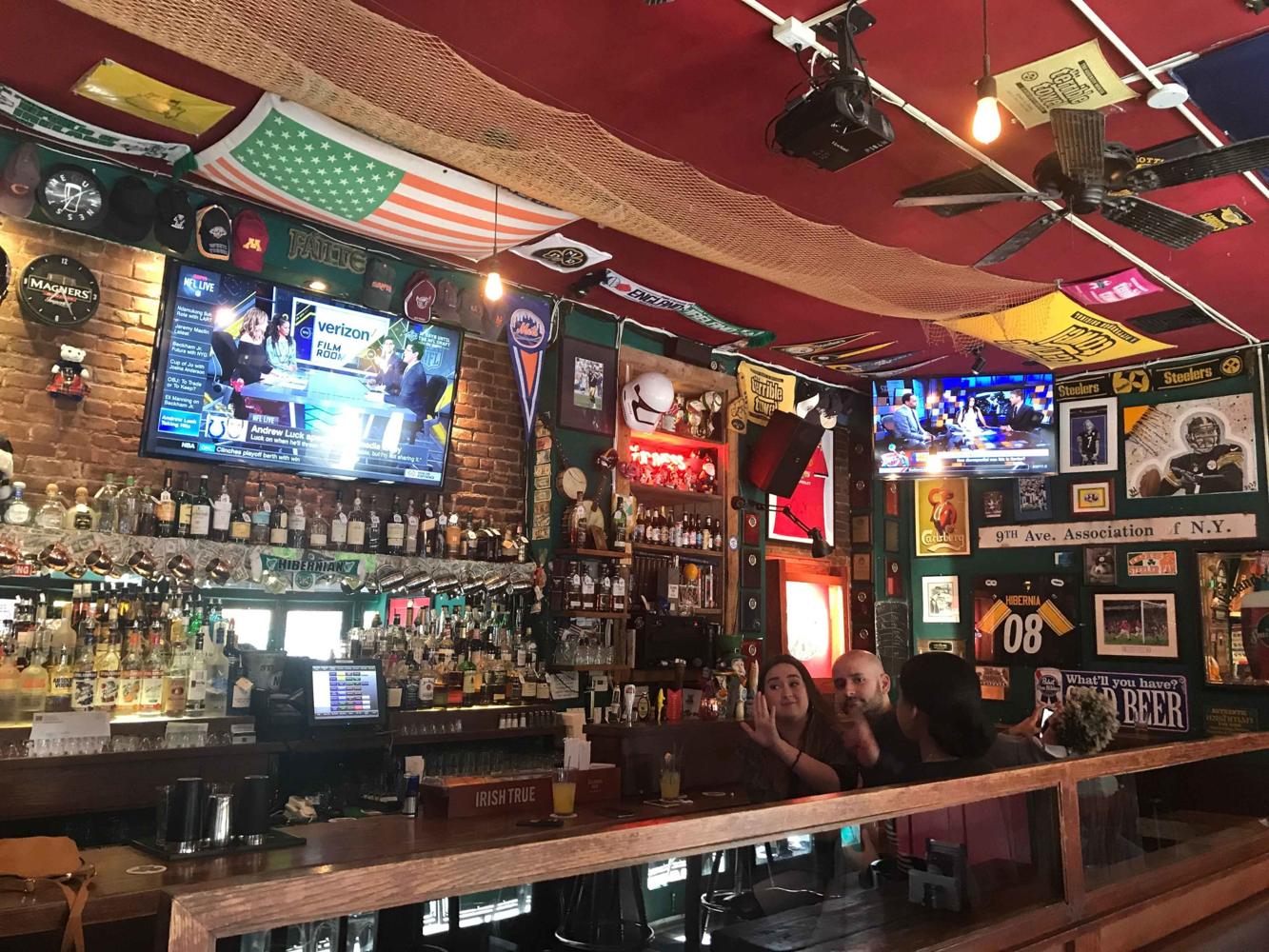
Choosing a bar in New York sounds easy until you are standing on a crowded sidewalk in the East Village at 8:45 p.m., one place is packed shoulder to shoulder, the next feels weirdly silent, and your group cannot agree on whether the night calls for martinis, oysters, live music, or a booth where nobody has to shout. The city offers almost every version of a night out, from polished hotel lounges and neighborhood taverns to candlelit wine bars and cavernous sports bars with ten screens running at once. That abundance is the appeal, but it is also the trap.
The best bar for you is not necessarily the trendiest room, the one with the loudest press, or the one with a line wrapped around the block. It is the place that matches the evening you actually want to have. New Yorkers tend to figure this out early. They do not chase every opening or every viral cocktail. They learn which places deliver on a Tuesday date, which ones can handle a birthday crowd without turning chaotic, and which corners of the city still have a bartender who remembers your order after two visits. If you want to pick a Bar NYC locals genuinely return to, rather than one they tolerate once and forget, a little judgment goes a long way.
The first question is not where, but what kind of night you want
People often start with geography. They ask where to drink in the West Village, what is good in Williamsburg, or whether a rooftop in Midtown is worth the splurge. Those are fair questions, but the smarter place to begin is with the tone of the night. A bar is part drink program, part hospitality, part acoustics, part crowd, and part timing. One mismatch can ruin the whole thing.
A low-light cocktail den that is excellent for a first date may be miserable for a group of six trying to catch up. A beloved dive with a jukebox and cheap beer can be perfect after a long shift, but not ideal if one person in your party wants carefully made nonalcoholic drinks and another is dressed for a client dinner. Even a great Bar NYC regulars praise can feel wrong if you choose it for the wrong occasion.
Think in specifics. Do you want a room where you can hear each other without leaning in? Are you hoping to sit, or are you comfortable standing for two hours? Is food important, or just a bonus? Are you seeking serious cocktails, natural wine, local beer, or simply a reliable whiskey soda poured fast and cold? These details matter more in New York than in many cities because pace and density magnify every friction point.
I have seen people dismiss a place as overrated when the issue was not quality at all. They wanted a quiet drink and walked into a post-work Midtown rush. They wanted atmosphere and booked a sports bar during a playoff game. They wanted neighborhood warmth and landed in a sceney room where everyone was documenting their coupe glass under perfect amber lighting. The bar may have been doing exactly what it meant to do. It just was not meant for them that night.
Neighborhood matters, but not in the obvious way
Yes, location matters. Nobody wants an hour-long crosstown odyssey before the second round. But the deeper reason neighborhood matters has less to do with convenience and more to do with behavioral patterns. Different parts of New York have different drinking rhythms, and locals choose bars with those rhythms in mind.
In the West Village, for example, many bars trade on intimacy and consistency. Small rooms, low ceilings, polished service, and a crowd that often arrives early. In the Lower East Side, the energy can swing faster and harder, with more bar-hopping, louder music, and a mix of destination spots and true local hangouts. Williamsburg and Greenpoint often reward people who care about curation, whether that means natural wine, craft beer, or design-forward cocktail bars that still feel relaxed. Midtown serves a different purpose altogether. It can be better than people think when you need sharp service, an efficient reservation, and a place where finance, media, and theater crowds overlap without apology.
The right move is to choose an area that supports your plan rather than fights it. If your group likes to drift from one place to another, pick a neighborhood with options within a few blocks. If you want one long settled-in evening, choose a place with enough comfort and enough menu depth to keep you there. If you are meeting someone straight from work, think about transit reality. A beautiful destination bar loses its charm if half your night disappears into delayed trains and expensive rideshares.
A local favorite usually gets the basics right every single time
The bars New Yorkers genuinely love are often not the loudest names. They are the places that execute the fundamentals with unusual consistency. The host does not act as if your arrival is an inconvenience. The bartender can make a classic properly and also steer you toward something house-specific if you are open to it. The music supports the room rather than overwhelming it. The ice is fresh, the glassware is clean, and the drink arrives at the right temperature. These sound like small things until you start noticing how many places miss one or two of them.
Consistency is what turns a one-time good impression into local loyalty. A beautiful room can carry a place through its opening months. A famous bartender can pack it on weekends. But regulars come back because the place works on ordinary nights. The staff remains composed when three large parties walk in at once. The burger is still solid at 10:30 p.m. The martini is still balanced, cold, and served without theatrical nonsense. The check arrives without being chased.
If you are deciding whether a bar deserves your time, pay attention to repeatability. Ask yourself if the experience seems durable or fragile. Some bars feel great only under ideal conditions, early in the evening, with the right seat, and the right server. Others have a sturdier kind of quality. Those are the places locals rely on.
Learn to read the room before you order
One of the most useful skills in choosing a good bar is the ability to assess a room in about thirty seconds. You do not need insider knowledge. You just need to observe the right things.
Look at how the staff moves. Calm efficiency usually signals a healthy operation. Frenetic motion, visible confusion, and long stretches where guests are ignored suggest problems behind the scenes. Watch the guests too. Are they settled in, engaged, and ordering another round, or are they scanning for exits after one drink? The room tells the truth before the menu does.
Acoustics deserve more respect than they get. A place can look elegant online and still be functionally unusable once full. Hard surfaces, low ceilings, and poorly managed music can turn conversation into work. For dates, reunions, and anything involving actual talking, this becomes decisive. I have watched very stylish bars lose half their charm the moment they hit capacity because every sentence had to be repeated twice.
Seating is another quiet deal-breaker. There is a major difference between perching on a backless stool for twenty minutes and settling into a banquette for two hours. If comfort matters, do not assume you can improvise it on arrival. Many of the best small bars in New York have very limited seating, and the room may be designed more for circulation than lingering.
Menus tell you more than prices do
People naturally check prices first, and in New York they should. A cocktail in a sought-after neighborhood can easily run from the high teens into the twenties before tax and tip. Wine bars vary widely. Beer can still be reasonable in dives and neighborhood pubs, but even there, inflation has done its work. Still, price alone does not tell you if a bar is worth it.
Read the menu for intent. A tight list can be a good sign if it is edited with confidence. A page full of vaguely described drinks with gimmicky names can signal a place trying to impress without a coherent point of view. On the other hand, a long list of classics, spirits, beer, and food can be excellent when the bar’s identity is versatility and hospitality. The question is whether the offering matches the room.
A good cocktail menu gives you clues about discipline. Are there house drinks built around recognizable structures, or just sugar-heavy novelty? Do spirit choices look thoughtful, or generic? If a wine bar lists producers and regions with care, that often reflects serious sourcing. If a beer list includes style variety rather than twelve nearly identical IPAs, someone likely pays attention.
Food changes the equation more than most people expect. Some bars are dramatically better if you eat there, because the snacks or full kitchen anchor the visit and slow the pace. Others function best as one-drink stops. Oysters, fries, roasted nuts, a strong burger, or even a proper plate of olives can transform a place from a staging point into a destination. Locals remember bars that understand this.
The best choice depends on who is with you
Choosing a bar for yourself is simple. Choosing one for other people requires diplomacy. This is where many nights go sideways.
For dates, comfort and clarity matter. You want enough atmosphere to feel intentional, but not so much noise or scene that conversation becomes strained. A bar with a polished staff and stable pacing usually beats one with flashier drinks and chaotic service. The goal is to support the interaction, not compete with it.
For groups, logistics beat romance. Can the bar actually absorb six or eight people without punishing everyone involved? Does it take reservations? Is there standing room that feels social rather than cramped? Group energy can carry a mediocre drink program for a while, but logistical friction shows up fast when no one has a place to put a coat or a drink.
For solo drinking, the ideal bar often changes completely. Good solo bars have a counter that feels welcoming, bartenders who read cues well, and a pace that lets you linger without being marooned. Some of the finest experiences in New York happen alone at a bar seat with one excellent cocktail and a short, smart conversation. Not every room can provide that.
Here is a short lens that helps when you are deciding quickly:
- For a date, choose lower noise, attentive service, and seating you can count on.
- For a group, prioritize space, reservations, and a menu broad enough for different tastes.
- For solo time, look for a comfortable bar seat and bartenders who seem present, not rushed.
- For out-of-town guests, pick atmosphere with reliable execution, not just a famous address.
- For late nights, favor places that keep their standards after 10 p.m., not only at opening hour.
Timing changes everything
A bar at 5:30 p.m. And the same bar at 10:30 p.m. Can feel like two different businesses. New Yorkers know this instinctively, which is why they are strategic about timing.
Early evening often reveals a place at its best. Staff is fresh, tables turn more smoothly, and noise has not yet built into a wall of sound. This is when cocktail bars show their craftsmanship most clearly. If you care about service and detail, arrive early.
Prime time brings energy, which can be a benefit if that is what you want. But it also raises the cost of every flaw. Waits get longer, music gets louder, and crowded standing areas make ordering a chore. Some bars thrive under that pressure. Others merely survive it.
Late night has its own logic. A place that feels elegant at 7 p.m. May become sleepy or underlit by midnight. A rowdy neighborhood bar may not even hit stride until 11. Kitchens close on their own schedule, and in New York that can make or break a plan. If food matters, verify when the menu actually ends, not just when the bar closes.
Weather belongs in this conversation too. Rooftops and sidewalk setups attract attention, but New York weather can humble even the prettiest concept. A rooftop with weak indoor backup is a gamble in shoulder season. A tiny bar with good heating and smart winter service can become a sanctuary half the year.
Reviews help, but locals read between the lines
Online reviews are useful if you know how to interpret them. Star ratings alone are blunt instruments. A place can have a solid overall score and still be wrong for your needs, or a mixed score because it is doing something specific very well and not trying to please everyone.
Look for patterns rather than isolated praise or outrage. If multiple people mention weak service during busy hours, believe them. If several reviews say the drinks are excellent but tiny for the price, that tells you something real. If a bar is repeatedly praised for atmosphere but not for what is actually in the glass, keep your expectations calibrated.
Social media is even trickier. Beautiful photos reveal lighting and aesthetics, but they do not tell you how the room sounds, how the staff behaves under pressure, or whether the second drink is as good as the first. Viral attention can also distort a bar’s ecosystem. A place built for neighborhood regulars may become overcrowded for a while after a burst of coverage, then settle back into itself months later.
The most reliable sign of a strong Bar NYC regulars care about is simple: people who live nearby keep going. Not once for the novelty, but repeatedly, across seasons, with different company. That kind of patronage is hard to fake.
Service style is part of the product
Some bars excel because they make you feel looked after without making a show of it. In New York, where staff can be handling serious volume, that ease is a skill. Great bartenders manage pace, memory, tone, and discretion all at once. They know when to explain and when to keep things moving. They can read whether you want conversation or just a clean pour and some peace.
This matters because service style changes how a bar feels. A technically strong cocktail served with indifference rarely leaves Bar NYC a lasting impression. A simpler drink delivered with confidence and warmth often does. Hospitality is not fake friendliness. It is competence with emotional intelligence attached.
One easy test is to ask a small, sincere question. Maybe you want something spirit-forward but not sweet, or you are deciding between two styles of wine. In a good bar, the answer will be direct and useful. In a weaker one, you will either get a scripted pitch or a vague shrug. That exchange tells you a lot about what the rest of the night will look like.
Budget honestly, then choose accordingly
There is no point pretending New York is cheap. But there is a wide difference between overpriced and expensive-for-a-reason. The trick is to know what you are paying for.
Sometimes you are paying for rent and location, and the rest is average. Sometimes you are paying for serious technique, excellent spirits, strong staffing, and the kind of room maintenance most guests never consciously notice. A twenty-three-dollar cocktail may still feel fair if it is precise, beautifully balanced, and served in a room where everything works. A sixteen-dollar one can feel like a ripoff if it is watery, rushed, and forgettable.
Be realistic about what your night requires. If your priority is catching up with a friend for three hours, a warm neighborhood wine bar with good by-the-glass options may serve you better than a trophy cocktail destination. If you want one memorable round before dinner, spending more can make sense. The perfect bar is not always the fanciest one. It is the one whose value matches your plan.
A practical way to narrow the field
When people ask me how to pick a bar without overthinking it, I usually suggest filtering through a few practical checkpoints. This approach works especially well in a city with too many options and too little patience.
- Match the bar to the occasion before you match it to the neighborhood.
- Check noise level, seating situation, and kitchen hours, not just drink photos.
- Favor places with a clear identity over places trying to do everything at once.
- If it is a high-demand spot, go early or reserve, especially for groups.
- Trust repeat local traffic more than hype.
These checkpoints sound basic, but they eliminate most bad choices. The bars that remain are usually the ones with enough self-knowledge to deliver a coherent experience.
The hidden value of having a few dependable favorites
New Yorkers who enjoy going out often keep a mental rotation of bars rather than chasing constant novelty. There is a place for celebrations, a place for impromptu weeknight drinks, a place that works for visitors, and a place where they can disappear for an hour alone. This is not laziness. It is efficiency born from experience.
Once you know a handful of dependable spots, your standards sharpen. You become better at recognizing what is worth a detour and what is merely fashionable. You also stop confusing scarcity with quality. A line at the door may mean excellence, but it can also mean a small room and smart marketing.
The perfect Bar NYC locals love often becomes visible only after repeat visits. You notice that the lighting flatters without trying too hard. You notice that the playlist shifts with the room rather than bludgeoning it. You notice that the bar team moves like they have done this together for a long time. Most of all, you notice that you relax. The place asks little from you except that you enjoy yourself.
That is usually the clearest sign you chose well. Not that the room impressed you for ten minutes, but that it held the night together for two hours without strain. In a city that offers endless options and endless distraction, that kind of ease is rare. It is also what keeps locals coming back.
Hibernia Bar
401 W 50th St
New York, NY 10019
(212) 969-9703
FAQ About Bar NYC
What is there to do in Hell's Kitchen, NYC?
Explore the restaurants and bars along Ninth Avenue, catch a Broadway show nearby, or visit the Intrepid Museum on the Hudson River. Hibernia Bar is at West 50th Street and Ninth Avenue, a convenient stop before or after a show.
What are some bars in New York City that serve good food?
Hibernia Bar in Hell's Kitchen serves wings, burgers, fish and chips, and shepherd's pie. Its kitchen lists a 2 a.m. closing time, which makes it an option for dinner after a show or a game.
How far is Hell's Kitchen from Times Square?
Hell's Kitchen is just west of Times Square. From Broadway and West 45th Street, Hibernia Bar is roughly 0.6 miles away, or about a 12-minute walk depending on crowds.